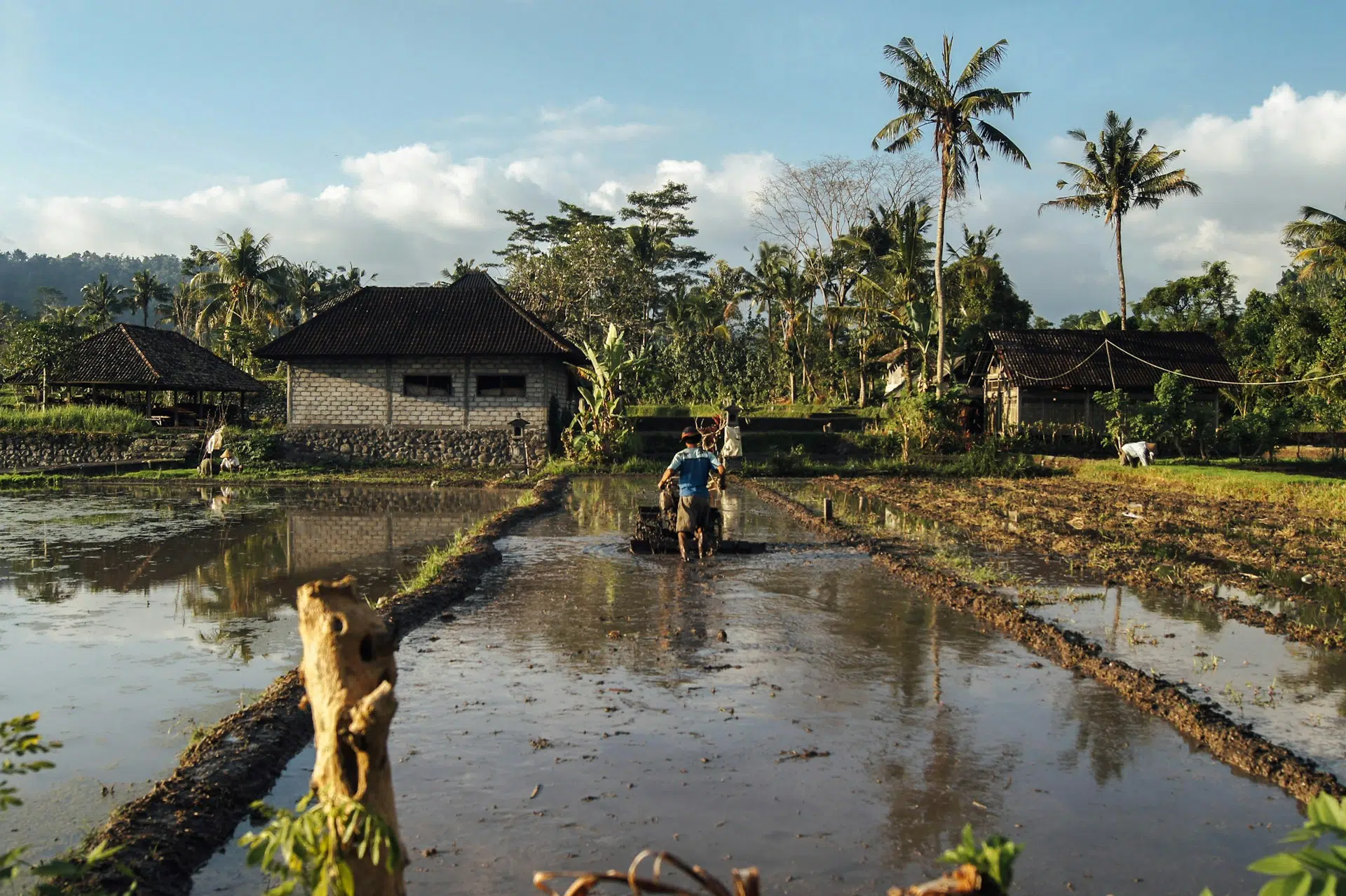
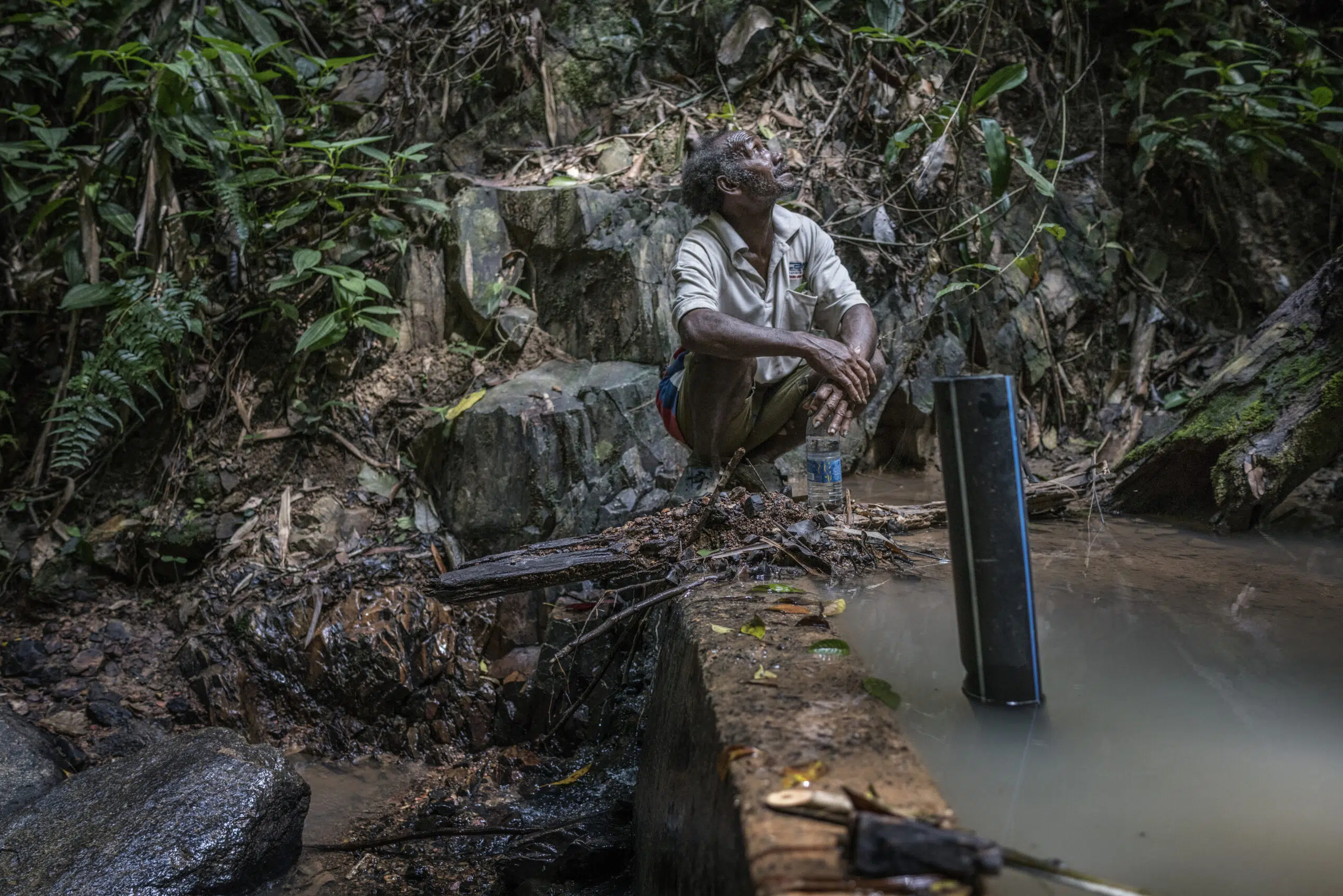
The health impacts of climate change have major consequences for communities across the world. Climate change acts like a threat multiplier. It affects the body directly through extreme heat and extreme weather, and indirectly through larger societal impacts.
The scale of that risk is hard to ignore. The World Health Organization projects that climate change and extreme weather events will cause about 250,000 additional deaths per year between 2030 and 2050. The World Meteorological Organization warns that Asia is warming nearly twice as fast as the global average. In a region where dense cities, outdoor labour and climate-sensitive food and water systems already shape daily life, health becomes one of the clearest ways climate disruptions become visible.
Heat Is Hitting Human Health Hard
Heat deserves to come first because it is immediate, measurable and already reshaping daily life across much of the world. The WHO identifies heat stress as one of the main direct pathways through which climate change increases mortality. The WMO’s 2024 Asia report says the region experienced its warmest or second warmest year on record in 2024, and heatwaves are becoming more widespread and prolonged.

The Toll of Heat on Health and Work
The health toll of heat is not separate from the economic and social toll. Heat exposure led to a record 639 billion potential work hours lost in 2024, 98% above the average for 1990 to 1999. That matters especially in South and Southeast Asia, where large shares of the workforce depend on outdoor labour, transport, agriculture, construction and informal work. For example, in 2024, Bangladesh experienced its longest recorded heatwave, and 57 million people were exposed to extreme heat. This led to a surge in hospitalisation rates and an increase in dengue fever cases.
In Asia, heat risk is increasingly an urban systems problem
This is not only about the weather. It is also about how cities are built. Heat is amplified by concrete-heavy neighbourhoods, limited shade, poor housing, weak ventilation and heavy reliance on fossil-fuel-based energy systems that both trap heat and worsen local air quality.
Large cities can be more than 2°C warmer than surrounding areas because of urban heat island effects. This intensifies heat stress and makes daytime outdoor work more dangerous in densely populated cities. These are often cities that are also growing rapidly and lack the financial and institutional capacity to adapt.
Urban Extreme Heat Is Making Risks Worse
Air pollution is another clear example of how climate and health overlap. The same fossil fuel combustion that drives warming also fills the air with fine particulate matter and gaseous byproducts, such as nitrogen oxides. These pollutants can damage the lungs, heart, brain and blood vessels. That means climate mitigation is not only about future emissions targets. It is also a near-term public health intervention.
Air Pollution Increases Are Driving Disease
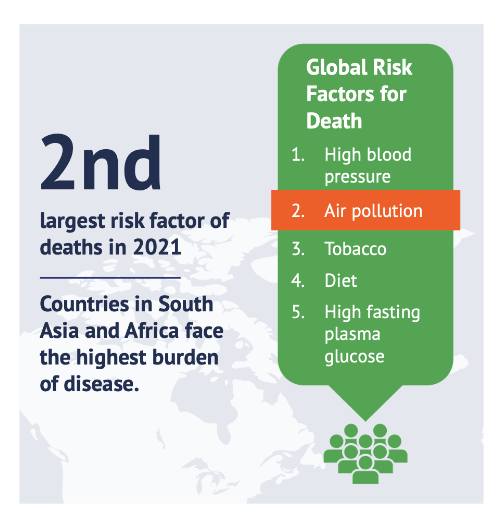
Outdoor air pollution caused an estimated 4.2 million premature deaths worldwide in 2019. The burden is especially high in Southeast Asia and the Western Pacific regions. Even more concerning is the outsized impact on children. Over 700,000 children under 5 years old died from air pollution in 2021, accounting for 15% of all global deaths of children under 5. Air pollution is the second leading risk factor for death worldwide, across all age groups.
Impact of Climate Crisis on Disease, Water and Food
The health impacts of climate change do not stop at heat and smoke. They also move through food systems, water systems, sanitation and disease transmission. Climate change is clearly a wide systemic issue, not a set of separate environmental problems.
Climate Pressures Are Colliding
Climate change is also making health risks less predictable by disrupting the basic systems people rely on. For example, major crop yields are expected to decline 17% by 2050 without major climate and adaptation changes. This matters for health because food shocks quickly become nutrition shocks, especially for children and low-income households.
At the same time, disease patterns are shifting. The WHO’s Western Pacific office reported an escalation in dengue outbreaks across the region in 2024, including spread beyond traditional endemic areas. Warmer temperatures, shifting rainfall patterns and rapid urban growth are helping create conditions in which mosquito-borne diseases can move into new areas and hit populations with lower immunity and weaker preparedness.
Children and Vulnerable Communities Face the Greatest Burden
Children face these risks in distinct ways, not just in more severe ways. More than 466 million children worldwide now live in areas with at least twice as many extremely hot days each year as there were 60 years ago. This change in climate disrupted schooling for at least 242 million students across 85 countries in 2024. South Asia was the most affected region, with 128 million students. This directly impacts mental well-being, safe learning conditions and long-term development.

The burden is even heavier for families with poor housing, limited access to healthcare, unstable incomes or unsafe water and sanitation, where each climate shock is harder to absorb and recover from.
How Climate Change Is Straining the Systems That Keep People Healthy
This is the bigger picture. Climate change is not just creating more health emergencies. It is weakening the systems that help people stay healthy in the first place. Damage to roads, power supplies, clinics and water systems can interrupt care just when demand is rising. Lost labour hours reduce household income and resilience. Food insecurity affects child development and disease resistance. Environmental degradation feeds back into heat exposure, dirty air and water stress.
Health should not be treated as a side effect of climate change. It is one of the clearest ways the crisis shows up in everyday life. The health impacts of climate change are not isolated events. They are part of a wider pattern that is reshaping how people live, work and stay safe across the world.
Eric Koons
Writer, United States
Eric is a passionate environmental advocate that believes renewable energy is a key piece in meeting the world’s growing energy demands. He received an environmental science degree from the University of California and has worked to promote environmentally and socially sustainable practices since. Eric has worked with leading environmental organisations, such as World Resources Institute and Hitachi ABB Power Grids.
Eric is a passionate environmental advocate that believes renewable energy is a key piece in meeting the world’s growing energy demands. He received an environmental science degree from the University of California and has worked to promote environmentally and socially sustainable practices since. Eric has worked with leading environmental organisations, such as World Resources Institute and Hitachi ABB Power Grids.