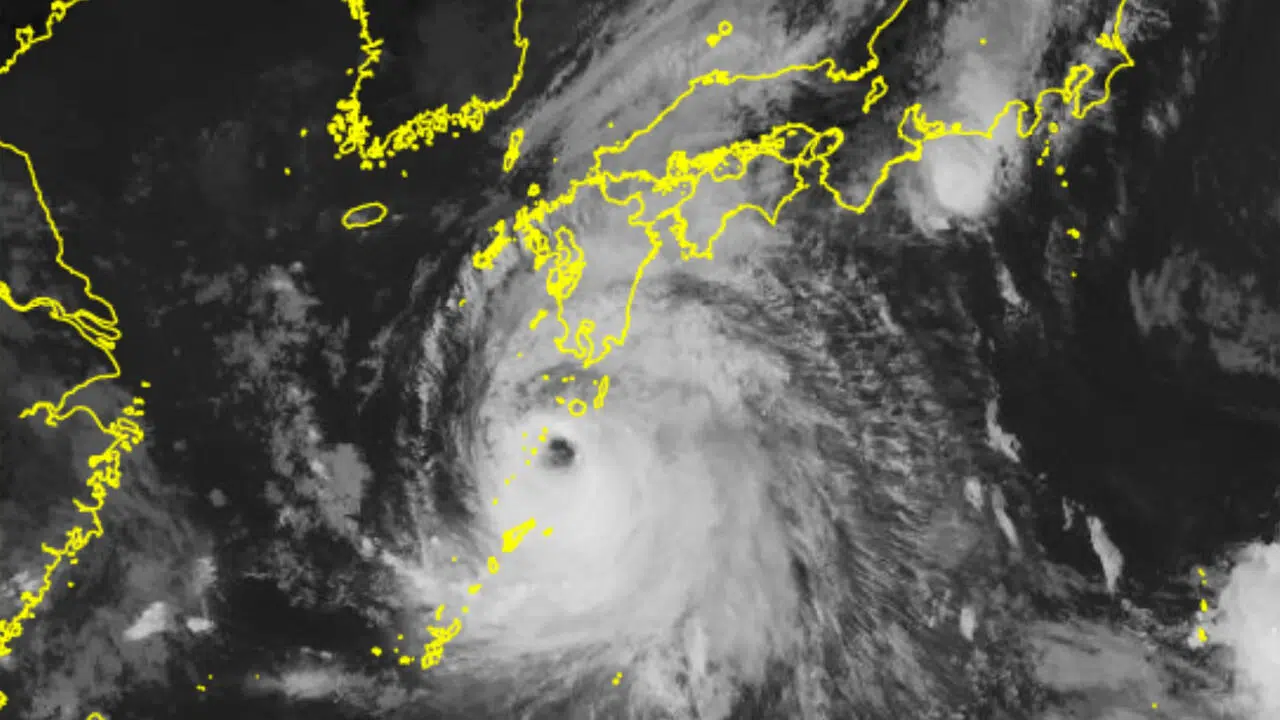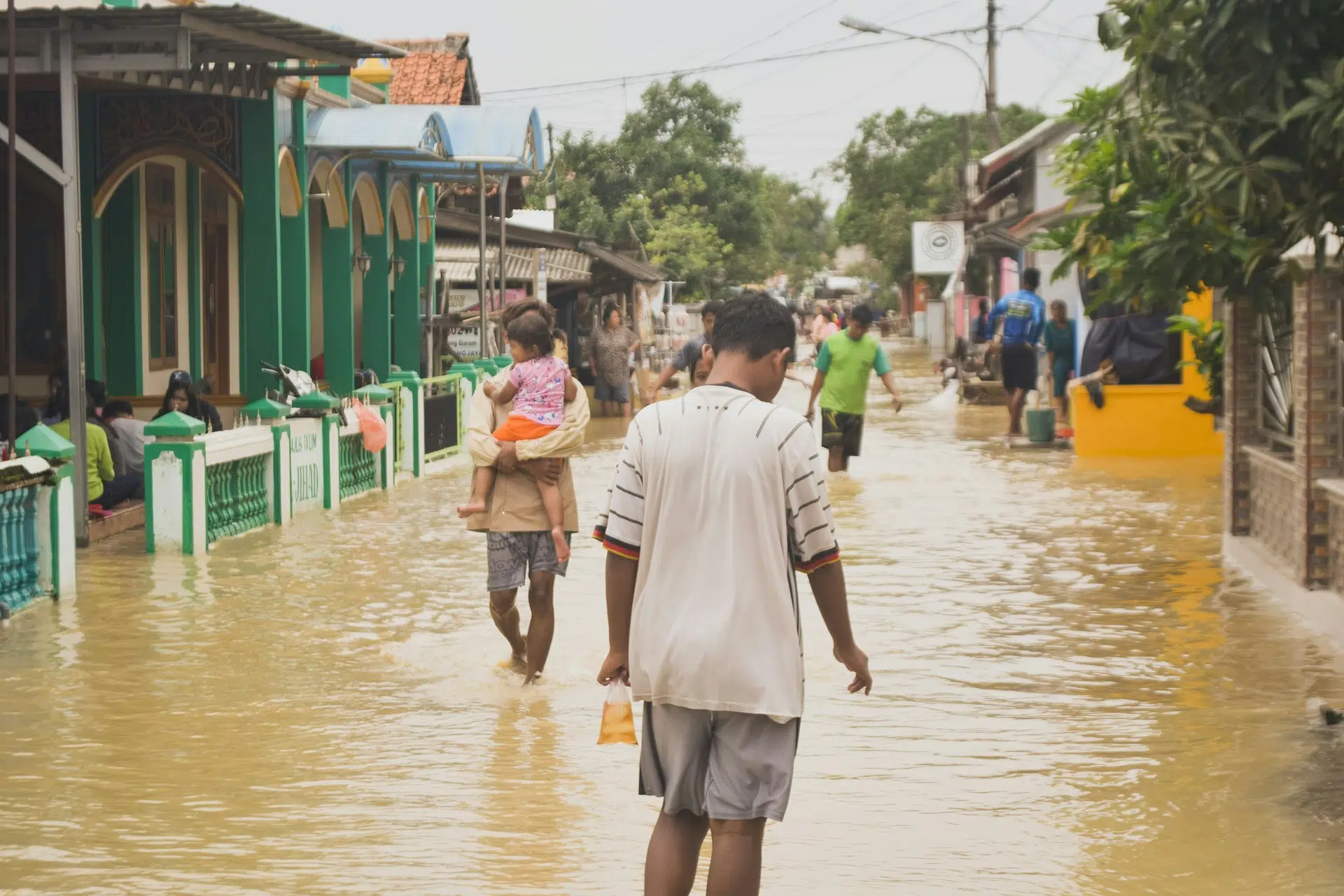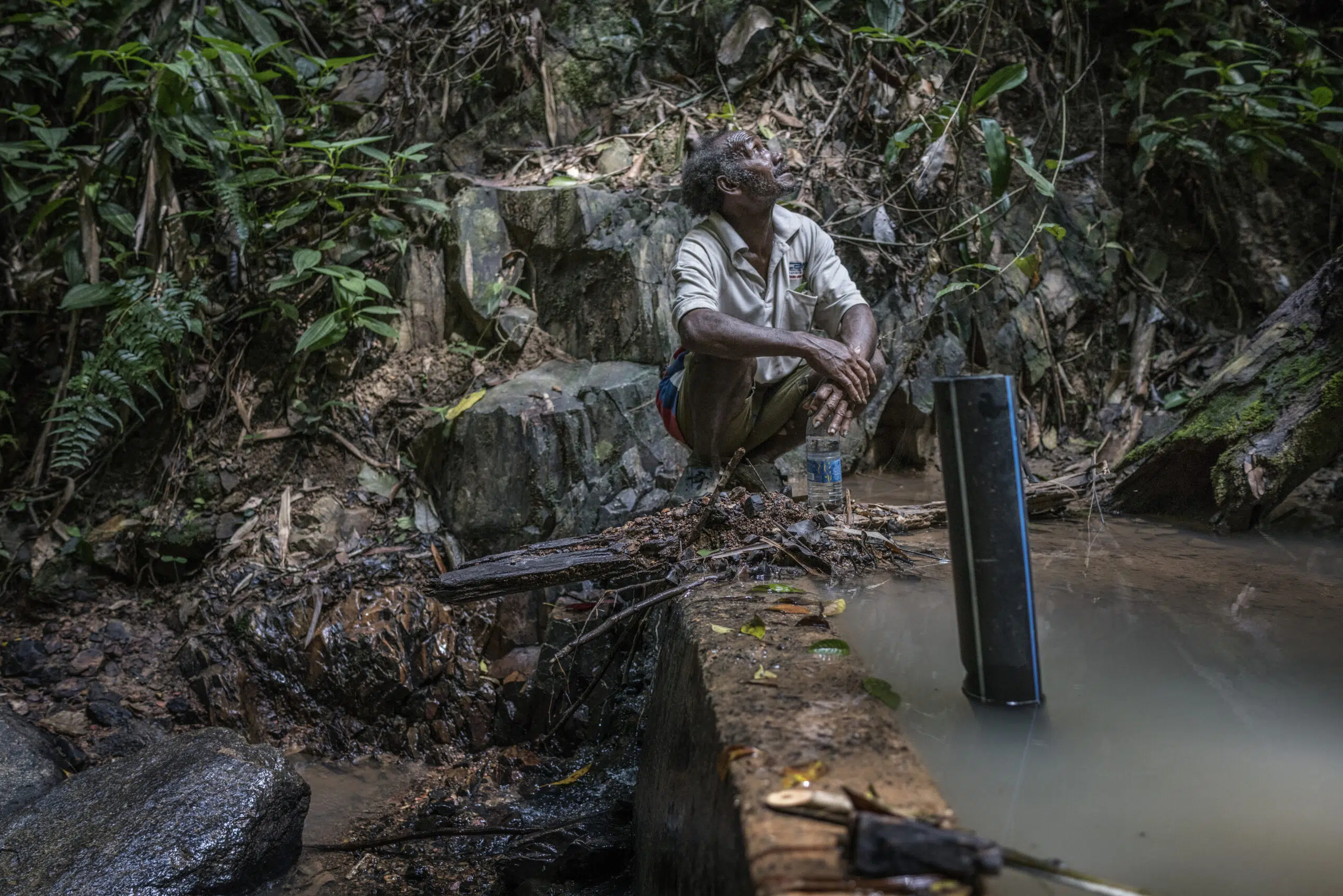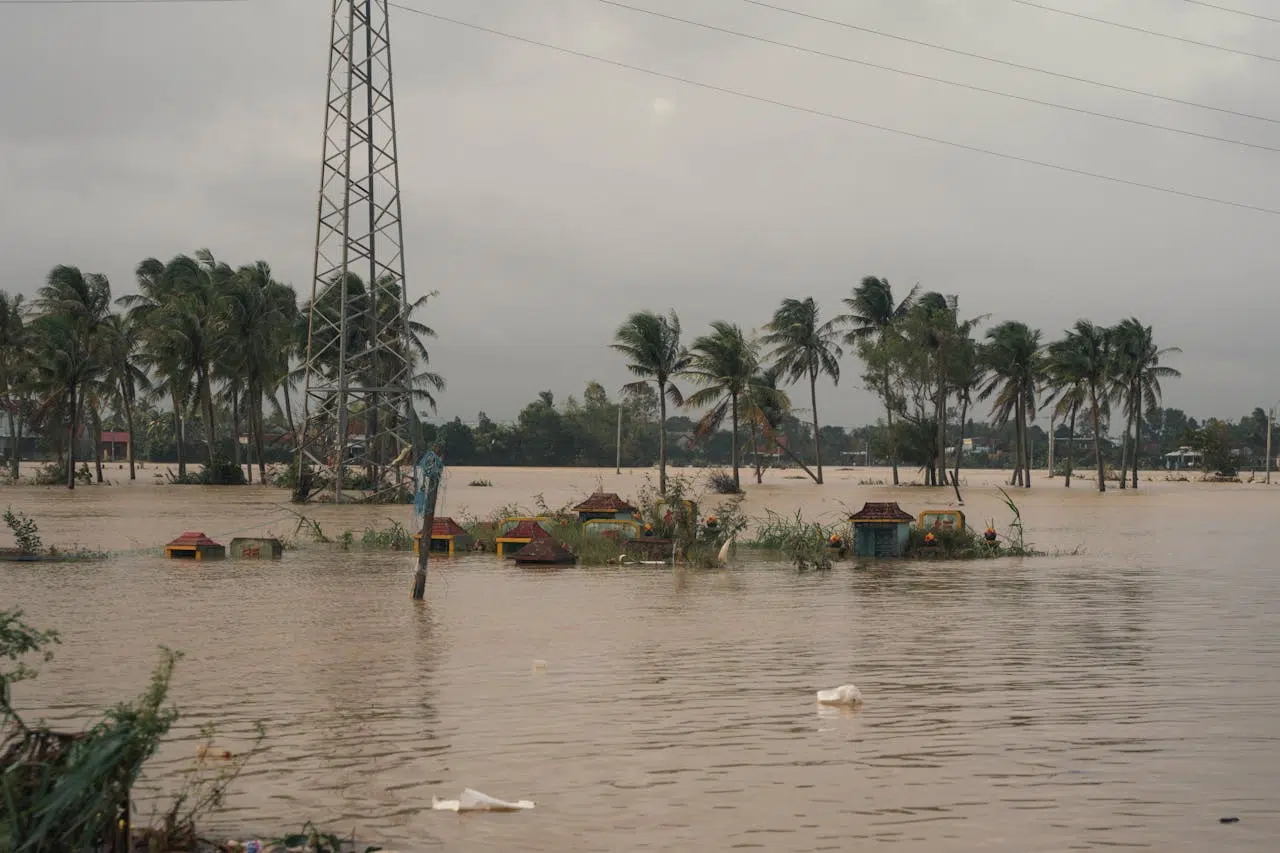
Flash floods tearing up a Himalayan village in India, hurricanes and wildfires ravaging the US, heatwaves and wildfires scorching Europe, record-breaking heat in Iceland and Greenland, torrential rains and floods roaring through Southeast Asia — 2025 marked yet another year of human tragedies, driven by extreme weather events. According to scientists, there is one common factor among all the disasters: uncontrolled global warming. It has made these incidents more severe, longer-lasting and deadly. Without immediate and ambitious climate action, the situation will worsen, with the poorest and most vulnerable expected to suffer the most.
The Weather Extremes of 2025 in a Nutshell
After 2024 became the hottest in the past 175 years, with the global average temperature reaching 1.55°C above pre-industrial levels, Copernicus, the Earth observation component of the EU’s space programme, projects that 2025 will end up among the three hottest years on record.

“The last three years saw exceptional temperatures, and the average for 2023-2025 is likely to exceed 1.5°C, the first time for a three-year period,” said Samantha Burgess, strategic lead for climate at the European Centre for Medium-Range Weather Forecasts.
After analysing records from five different research groups that report global surface temperature records, including NASA, NOAA, Met Office Hadley Centre/UEA, Berkeley Earth and Copernicus/ECMWF, Carbon Brief concludes that the first six months of 2025 have been very warm, each of them coming in the top-three warmest on record.

In total, 2025 has seen record warm temperatures in January, the third-warmest February and June, and the second-warmest monthly temperatures for March through May. Furthermore, the experts note that Arctic sea ice extent reached record lows for much of June and into early July, remaining well below the historical range (1979-2010).
Furthermore, much of China, southwest Australia, and the Mediterranean region saw record warmth throughout the first half of 2025.

According to the Global Climate Risk Index, Global South countries, including many Asian nations, have been among the most affected by climate change’s worsening impacts historically. Just recently, in South and Southeast Asia, a series of cyclones triggered deadly floods, killing at least 1,350 people, with millions displaced and hundreds still missing as of the start of December. Since the beginning of 2025, at least 16 cyclones and dozens of depressions in the Pacific and Indian oceans have struck the region. Scientists say that, due to climate change, even moderate cyclones now produce extreme rainfall and can cause widespread flooding.
The World Meteorological Organization estimates that the global mean temperature for January to August 2025 was 1.42°C above pre-industrial levels, underscoring the accelerating pace of climate change. The atmospheric concentrations of CO₂, CH₄ and N₂O reached record levels in 2024 and continue to rise in 2025.
The Impact: 2025 With the Costliest Climate Disasters in History
The UN Office for Disaster Risk Reduction estimates that disasters have profound macroeconomic impacts, with direct losses exceeding USD 200 billion annually and USD 2.3 trillion when factoring in cascading and ecosystem costs. Swiss Re Institute finds that 2025 proved among the costliest ever in terms of economic losses from extreme events, with total losses from natural catastrophes reaching USD 135 billion and climate risk mounting significantly.
According to research, the first half of 2025 was the costliest in history for major climate disasters in the US. The record coincided with moves by President Donald Trump’s administration to withdraw from the Paris Agreement, prioritise fossil fuels and launch a campaign against renewables. During the first half of 2025, 14 separate weather-related disasters have caused USD 101 billion in infrastructure damage. According to Climate Central, authors of the study, climate change, which Trump has branded “a hoax”, has made such extreme weather events over the past four decades more costly. For example, the cost of all disasters between 1985 and 1995 was USD 299 billion, compared with USD 1.4 trillion in losses over the past decade.
Regardless of the geography, however, scientists are clear that extreme weather events strike the most vulnerable and the communities living in fragile environments.
Scientists Warn the World Is Heading Toward an Uncharted Territory
According to the WMO, the past 11 years (2015-2025) will become the warmest on record, with each year surpassing previous temperature highs. Some researchers estimate that the world has only two years left in its carbon budget to meet the 1.5°C target, while others argue that it will be exhausted as early as this year.
Carbon Brief projects that, with long-term warming trending strongly upward and, potentially, accelerating, the world is expected to firmly pass the Paris Agreement 1.5°C target in the next five years.
If current emissions-reduction pledges are fully implemented, the world would warm by 2.6°C by 2100, making many regions more hostile and leading to dangerous levels of heat, including adding 57 extra hot days per year compared to now, scientists warn.

This is due to global carbon emissions reaching an all-time high, backed by a growing rollback of climate commitments over the past year and by governments worldwide continuing to heavily subsidise fossil fuels. In 2024, fossil fuel energy consumption, including coal, oil and gas use, hit record levels.
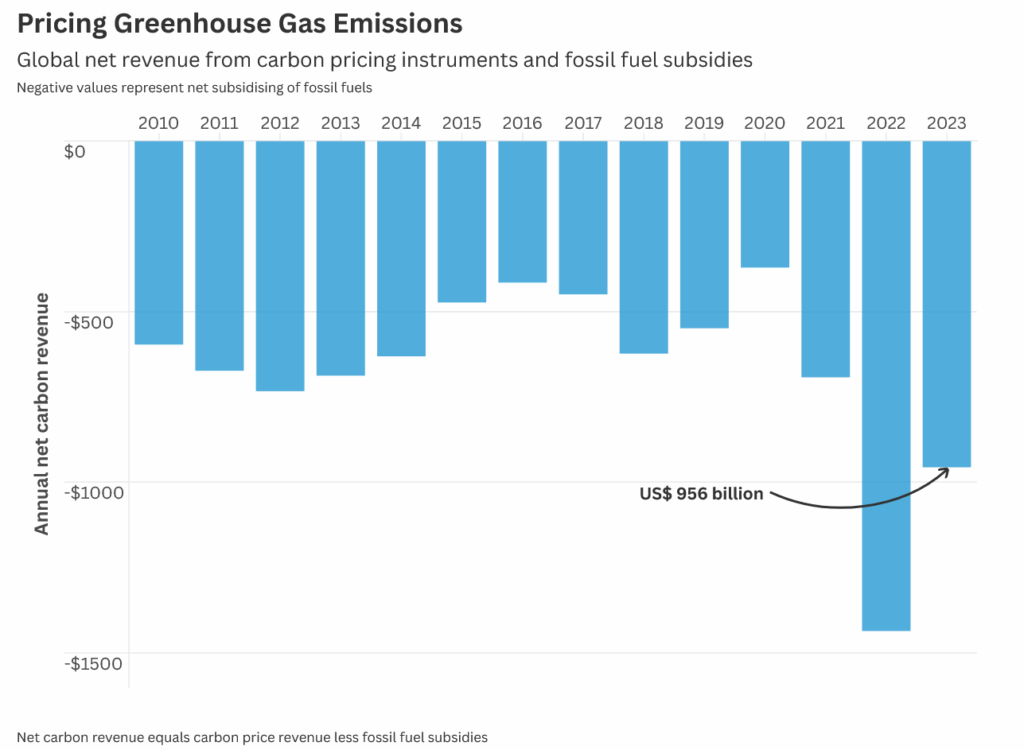
Furthermore, oil and gas companies are actively increasing their planned fossil fuel production. As of March 2025, the world’s 100 largest oil and gas companies were on track to produce, by 2040, almost three times the amount that would be consistent with keeping global heating to 1.5°C — up from 183% one year before, scientists warn.
Communities and Ecosystems Are Bearing the Brunt
The collective failure to address climate change’s impacts has put the world on a dangerous trajectory, with 22 of 34 planetary vital signs reaching record levels in 2024.
Today, 4 billion people (about 49% of the global population) already experience at least 30 extra days of extreme heat (hotter than 90% of temperatures observed in their local area over the 1991-2020 period). The issue has been made at least two times more likely due to human-caused climate change.
A report in the Lancet Countdown from November 2025 warns that the health threats of climate change have reached concerning, unprecedented levels and that delays in taking climate action are resulting in millions of avoidable deaths every year. South and Southeast Asia, which have historically suffered the most deaths from exposure to human-caused PM2.5 pollution, a byproduct of fossil fuel burning, need immediate measures to protect the most vulnerable.

Heat-related mortality is also at an all-time high, while 123.7 million more people experience moderate or severe food insecurity, associated with an increase in droughts and heatwaves, today compared to 1981-2010. Furthermore, exposure to wildfire smoke led to an estimated 154,000 deaths in 2024, while the failure to transition to clean energy sources led to 2.5 million deaths from fossil fuel-derived outdoor air pollution in 2022.

Ecosystems are also suffering. Global fire-related tree cover loss is at an all-time high, fueling rising emissions and biodiversity loss. Ocean heat content has also reached record levels, contributing to the largest coral bleaching event ever recorded, affecting 84% of the reef area. So far, in 2025, the ice mass in Greenland and Antarctica is at record lows, scientists warn.
Avoiding the Worst Impacts of Climate Change Still Possible but Requires Urgent and Ambitious Action
Earlier this year, the International Court of Justice ruled that the 1.5°C temperature limit is now a legally binding threshold, meaning that governments and corporate polluters bear a legal responsibility to halt emissions and protect the climate.
Scientists are clear that the only viable pathway for protecting communities, ecosystems and the global economy from the worsening impacts of climate change is to phase out fossil fuels, accelerate the clean energy transition and scale up climate action. As the UN’s latest Emissions Gap Report shows, the new NDCs have limited effect on narrowing the emissions gap by 2030 and 2035, leaving the world on a dangerous global warming trajectory, well above the Paris Agreement’s temperature goal.

“We urgently need a rapid and sustained transition away from oil, gas, and coal. Developed countries that have caused most of the warming need to take the lead and move much faster,” says Dr. Joyce Kimutai, researcher at the Centre for Environmental Policy, Imperial College London.
However, given the dangerously high levels of “locked-in” emissions, these steps alone won’t be sufficient.
“Cutting emissions alone won’t be enough. We also need to triple our adaptation efforts to protect lives and livelihoods,” the scientist notes.
Early Warning Systems
For example, one crucial adaptation measure is prioritising the deployment of early warning systems. According to the WMO, since 2015, the number of countries reporting multi-hazard early warning systems has more than doubled — from 56 to 119 in 2024 — yet 40% of nations, including some of the most climate-vulnerable, still lack such systems, and urgent action is needed to close these remaining gaps. In total, the UN estimates that by 2035, the adaptation finance needs of developing countries, including many of the most vulnerable to climate change, will be at least 12 times the current international public adaptation finance flows.
Furthermore, currently, many of the most climate-vulnerable nations still lack national adaptation plans.

“The impacts of recent heatwaves show that many countries are not well prepared to deal with 1.3°C of warming, let alone the 2.6°C of warming projected if — and it’s a big if — countries meet their current emissions reduction pledges,” explains Dr. Kristina Dahl, vice president for Science at Climate Central. “Faster, deeper and more ambitious emission cuts are crucial to ensure future generations live in a safe climate.”
Efforts to Limit Global Warming
The UNEP notes that, despite the increasing likelihood of higher and longer temperature overshoot, pursuing efforts to limit global warming to 1.5°C remains as critical and relevant as ever. Every fraction of a degree of global warming matters as each additional 0.1°C of global warming is associated with an escalation of the damages, losses and adverse health impacts that are already tormenting people all over the world. Furthermore, the risks of irrevocable impacts and of triggering climate tipping points that would lead to abrupt and irreversible climate changes increase with each increment in global warming.

The State of Climate Action Report by the World Resources Institute, presented ahead of COP30 in Brazil, found that global efforts across 29 indicators are “well off track,” with most requiring over a fourfold acceleration this decade to keep the 1.5°C limit within reach. According to the analysis, getting on track for 2030 and staying on track for 2035 demands an enormous acceleration of efforts across various sectors, including phasing out coal 10 times faster, reducing deforestation nine times faster, scaling up technological carbon dioxide removal more than 10 times faster and increasing climate finance by nearly USD 1 trillion annually. Limiting public fossil fuel financing and scaling up climate finance are other highly necessary measures.
Still, experts are clear: the cost of inaction far exceeds the cost of action, and time is running out to tackle the existential threat that is already claiming a life every single minute and secure a livable future.
Viktor Tachev
Writer, Bulgaria
Viktor is a writer that specialises in green finance and ESG investment practices. He holds a Master's degree in financial markets and has over a decade of experience working with companies in the finance industry, along with international organisations and NGOs. Viktor is a regular contributor to several publications and comments on the likes of sustainability and renewable energy.
Viktor is a writer that specialises in green finance and ESG investment practices. He holds a Master's degree in financial markets and has over a decade of experience working with companies in the finance industry, along with international organisations and NGOs. Viktor is a regular contributor to several publications and comments on the likes of sustainability and renewable energy.