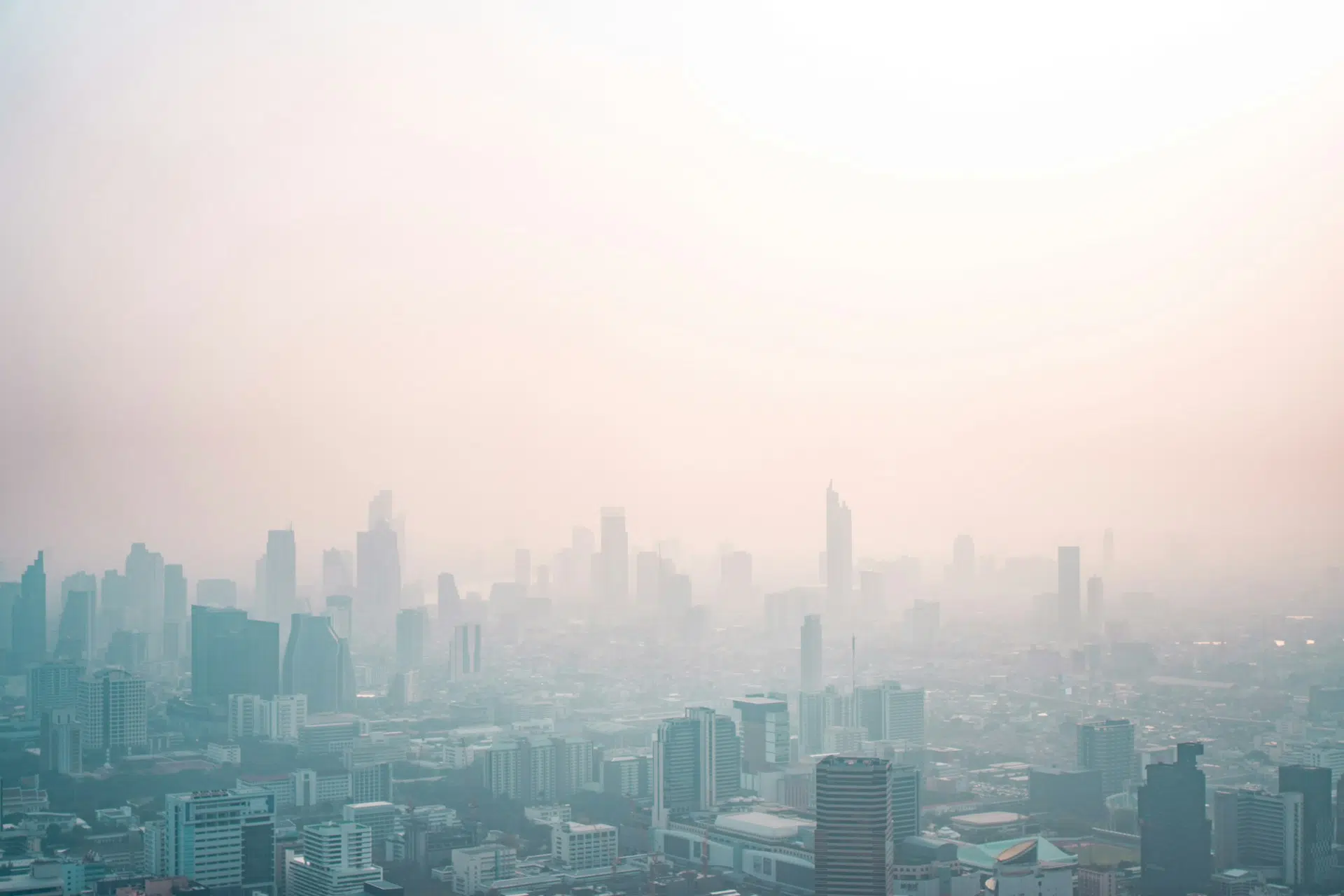
Climate change is intensifying extreme heat and weather-related disasters worldwide, presenting profound risks to human health and well-being. The burning of fossil fuels and deforestation are driving dangerous heat, wildfires and air pollution, while floods, droughts and disasters are disrupting food and water supplies. Globally, these impacts translate into millions of early deaths each year and millions more cases of preventable disease.
Women and Climate Change
These climate-related impacts are not equally felt, causing and exacerbating inequalities. Women, girls and gender-diverse people are particularly vulnerable to impacts such as heat stress, diseases and food insecurity. Unequal access to social services and financial assets, caregiving responsibilities and the increased risk of food insecurity further magnify and lock in economic and social inequalities, creating additional obstacles to building resilience to climate-related events.
The Unequal Health Burden of Heat and Disasters
Heat is already a major global public health risk, and women are particularly vulnerable due to factors including their physiological differences, lower access to healthcare services and greater vulnerability to gender-based violence. Heat has a major impact on unpaid domestic labour, the burden of which falls disproportionately on women. In India, women work more hours than men — more than 70% of the total. Heat also creates a double burden for women: they shoulder not only their own health risks but also the care of children, older relatives and others affected by heat-related illness.
Climate disasters further entrench inequality. During and following floods, cyclones and droughts, women are more likely to experience displacement, food insecurity, income loss and gender-based violence. Additionally, disasters disrupt healthcare services at the moment they are most vital. For example, Pakistan’s catastrophic floods in 2022 displaced 8.2 million people and left over 20.6 million people in need of humanitarian aid. The floods damaged or destroyed more than 1,000 health facilities, affecting hundreds of thousands of pregnant women and leaving many without access to maternal health services, skilled care or safe spaces. The same disasters increased the spread of malaria, dengue and waterborne diseases.
Climate Change and Reproductive Health
Extreme heat also poses significant risks to reproductive and maternal health. Preterm births — the leading cause of childhood deaths — spike during heatwaves, with each additional 1°C in temperature increasing the risk of infant mortality by as much as 22.4%. Rising temperatures are also expanding the range of vector-borne diseases, such as malaria and dengue, increasing risks during pregnancy. Air pollution also raises the likelihood of hypertension in pregnancy, low birth weight and impaired development.
Moreover, many pregnant working women in poor, climate-vulnerable countries have little choice but to carry on working through dangerous heat. In Cambodia, for example, women workers account for the vast majority of the garment industry workforce and agricultural labourers. Yet, conditions lack protections to protect pregnant women from the heat. Staying hydrated, early warning systems that include pregnant women and ensuring midwives provide heat-specific guidance are ways to limit the risks, said Sari Kovats from the London School of Hygiene and Tropical Medicine. But “there is only so much that raising awareness can do” when many women are grappling with stark socioeconomic inequalities, lack of cooling and poor health systems, she said.
Gender Gaps Deepen as Climate Crisis Unfolds
Although some governmental and nongovernmental organisations have begun to address the inequality in gender-based climate change effects, global efforts are failing to recognise the impact that gender has on health. Dr. Anshu Banerjee, from the World Health Organization (WHO), explained that while awareness of climate change has increased, actions to safeguard the lives of those at most risk have barely scratched the surface. “For climate justice to be achieved, this must be urgently redressed.”
Moreover, women’s services, already chronically underfunded, have been hit by further global aid cuts — deepening vulnerabilities in frontline communities as temperatures continue to rise. “The situation is critical. Women and girls simply cannot afford to lose the lifelines that women’s organisations are providing,” said Sofia Calltorp, chief of UN Women Humanitarian Action. “Despite their roles as essential providers, advocates and watchdogs, women’s organisations have been severely underfunded even before the recent wave of reductions. Supporting and resourcing them is not only a matter of equality and rights, but it is also a strategic imperative.”
Gender Responsive Actions for Health
Addressing the gendered impacts of climate change requires sustained investment and gender-responsive policy design. Integrating gender into disaster preparedness, strengthening primary and reproductive healthcare systems, investing in climate-resilient infrastructure and expanding access to clean energy can reduce vulnerability and improve outcomes.
In Nepal, for example, solar electrification of rural healthcare facilities has enabled continuous maternal and newborn care, even after earthquake damage and grid failure, demonstrating how decentralised renewable energy can strengthen both climate resilience and women’s health. “Before the solar installation, I would often deliver babies by turning on a generator or even torchlight,” said Dr. Sushila, a doctor in Nepal’s Sindhupalchowk District. “Now, with reliable power, I can focus entirely on the mother and baby, knowing our equipment will work when we need it most.”
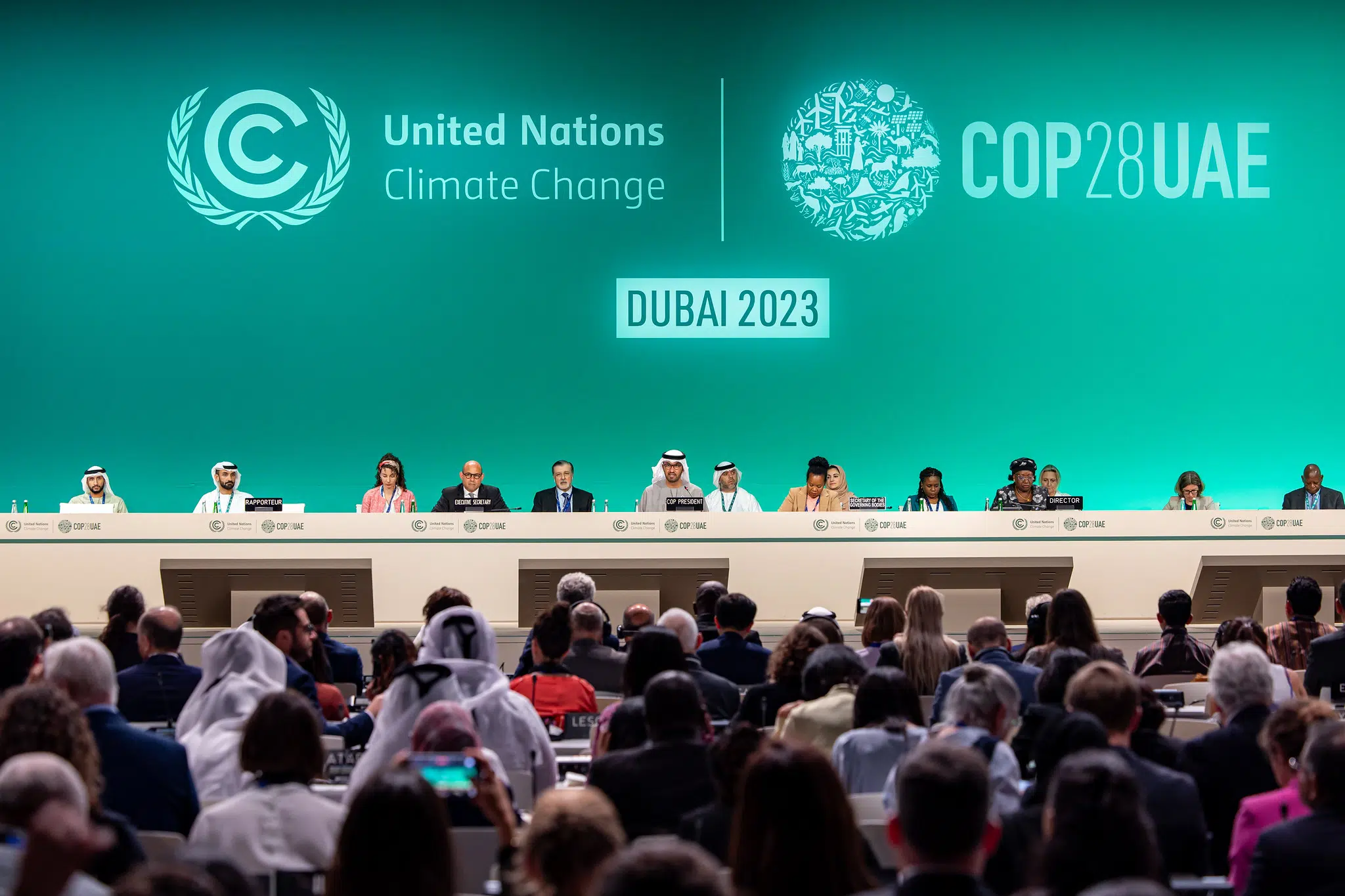
At the global level, COP30 made important progress in integrating gender equality, health and human rights into international climate action. But systemic challenges remain, and without financing, commitments remain symbolic. “COP30 moved us forward, but the data show that climate action is still not meeting the needs of women, girls and frontline communities,” said Julia Bunting, UNFPA program director. “Addressing the climate crisis requires protecting rights, expanding access to health services, and ensuring that climate finance reaches those who need it most.”
Evelyn Smail
Writer, United Kingdom
Evelyn is a freelance writer and journalist specialising in climate science and policy, the just energy transition and the human impacts of climate change. She writes for independent publications, NGOs and environmental organisations. Evelyn has a background in sustainable development, climate justice and human rights.


Evelyn is a freelance writer and journalist specialising in climate science and policy, the just energy transition and the human impacts of climate change. She writes for independent publications, NGOs and environmental organisations. Evelyn has a background in sustainable development, climate justice and human rights.