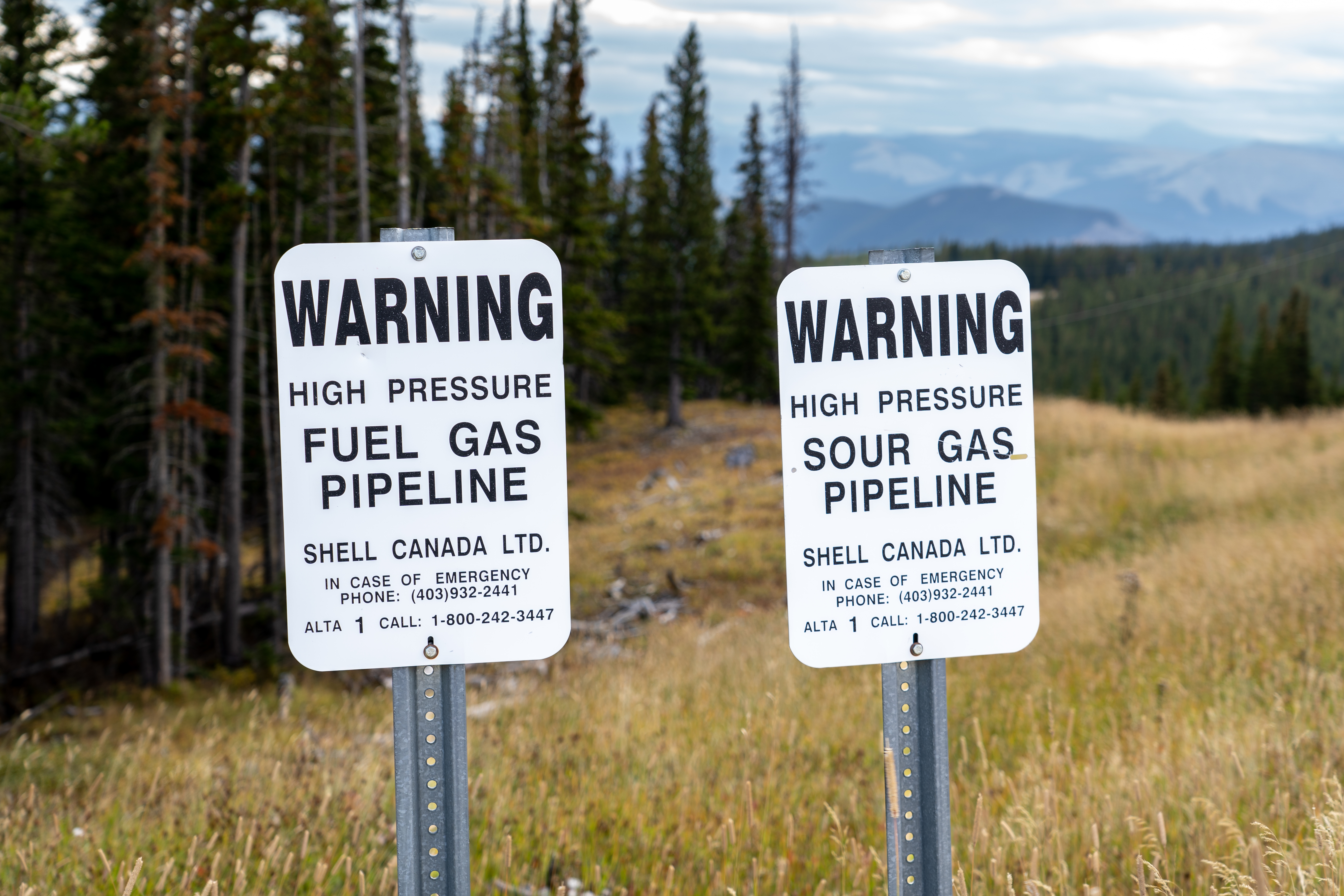
Canadian civil society groups have sent a letter urging the JBIC Governor, Nobumitsu Hayashi, to suspend all further financing and disbursements for LNG projects in British Columbia until an independent, cumulative health assessment of the LNG and fracking industry has been completed. The letter, signed by the Canadian Association of Nurses for the Environment (CANE), the Canadian Association of Physicians for the Environment (CAPE), the Skeena Watershed Conservation Coalition, and other leading health professionals, expresses deep concern over JBIC’s financing of the LNG Canada export terminal and its subsequent impacts on Indigenous rights, human health, and the environment.
What does LNG Canada do?
LNG Canada is the first major LNG export facility in Canada and the first on the west coast of North America, providing direct access to Asia. The project involved the construction of the 670-km Coastal GasLink (CGL) liquefied natural gas pipeline.
JBIC approved up to USD 850 million in financing to support Mitsubishi Corporation’s participation in LNG Canada on October 29, 2021.
Earlier that year, civil society groups from both Japan and Canada wrote a public letter demanding that JBIC not fund the LNG Canada Project due to Indigenous rights violations and its role in fuelling the climate crisis. “It is a clear violation of JBIC’s guidelines if they finance the project without FPIC [Free, Prior and Informed Consent] from Indigenous Peoples,” said Ayumi Fukakusa, campaigner of Friends of the Earth Japan.
JBIC Complaint Filed by Wet’suwet’en Hereditary Leaders
The legal complaint was submitted in July by Wet’suwet’en Hereditary Chief Na’Moks and Deputy Chief of the Hagwilget Village Council Gwii Lok’im Gibuu, Jesse Stoeppler. It alleges that construction of the CGL pipeline proceeded without FPIC from the First Nation’s hereditary leadership, as required under Canadian constitutional law and international human rights standards.
“JBIC and Mitsubishi’s financing of LNG Canada has violated our sovereignty, human rights, and fueled colonial violence against Indigenous land defenders while destroying sensitive ecosystems on our land,” said Chief Na’Moks. “After meeting with representatives of JBIC earlier this year, and amid growing calls for more projects without meaningful Indigenous Free, Prior, and Informed Consent built in, we are taking this step to hold international financiers accountable for the realities of what they are financing.”
The hereditary leaders are demanding the immediate suspension of any further financing for the LNG Canada Project and its planned expansion, and call for meaningful consultation with hereditary chiefs and pathways for remedy, including ecological restoration and support for Wet’suwet’en self-determination.
“Japan and its financial institutions have a duty to uphold international law,” said Deputy Chief Stoeppler. “We are calling on JBIC and Mitsubishi to uphold their legal, environmental, social and ethical responsibility and halt funding of LNG Canada and engage directly with Indigenous Nations.”
Violations Included in the Complaint
The Wet’suwet’en hereditary chiefs note their consistent opposition to the LNG Canada Project. In addition to it proceeding without FPIC, the complaint cites systemic human rights violations against Indigenous land defenders, including militarised raids by the Royal Canadian Mounted Police (RCMP) and arbitrary arrests of those opposing the pipeline. In February 2025, the British Columbia Supreme Court acknowledged the RCMP violated Charter rights.
The complaint also cites “extensive ecological destruction” across Wet’suwet’en territories from the CGL pipeline and LNG Canada terminal. The pipeline corridor spans highly sensitive environments, including old-growth forests, wetlands and dozens of salmon-bearing rivers and streams. Coastal GasLink has been repeatedly fined for environmental violations, which also implicate Indigenous constitutionally protected rights to land use, resource sovereignty and ecological stewardship.
It also raises the significant and disproportionate climate harms to the Wet’suwet’en Nation and other Indigenous communities along the LNG supply chain. LNG is primarily methane gas, a potent climate pollutant. LNG Canada will emit millions of tonnes of CO2 equivalent per year, locking in emissions for decades, while the territory already suffers climate impacts with intensifying wildfire seasons forcing evacuations and destroying habitats.
The Human Cost of the Canada LNG Project
The legal complaint submitted this year stems from years of harm reported by Wet’suwet’en members surrounding the construction of the CGL pipeline. A 2023 report by Amnesty International documented numerous human rights violations associated with the project, including harassment, intimidation, unlawful surveillance and criminalisation of land defenders. A resulting “atmosphere of fear and violence” caused some members of the Wet’suwet’en to feel unsafe on their ancestral land.
“I feel less safe now that [my daughter] plays outside knowing there’s a strange man across the river watching; that there are drones up in the sky,” said Dr. Karla Tait, a Wet’suwet’en matriarch and a director of programming with the Unist’ot’en Healing Centre.
Lawrence Bazil, Wet’suwet’en land defender of the Laksilyu clan, said, “The reason we’re here, why we’re fighting so hard for our rights, our land, our water, our animals, our salmon, the air, everything. It’s the necessity of our life. The way we live our life is off the land, and they’re destroying it all. They’re ripping it all apart and it’s not going to stop.”
Ketty Nivyabandi, secretary general of Amnesty International Canada’s English-speaking section, said the injustices are not isolated, but part of ongoing colonial violence towards Indigenous peoples.
JBIC’s Global Legacy of Funding Natural Gas
The Japanese government is one of the world’s largest providers of international public finance for gas and is the largest public financier of LNG export terminals globally.
JBIC, in particular, has provided USD 18.6 billion to fossil gas expansion since 2016, accused of leaving a global legacy of environmental destruction, community displacement and violations of Indigenous rights across multiple countries. In the Philippines, a JBIC-backed LNG terminal threatens the “Amazon of the Oceans,” endangering over 300 coral species and the livelihoods of two million people. In Thailand, JBIC-supported LNG infrastructure has destroyed local biodiversity, undermining food security and livelihoods.
Banks that continue to finance fossil fuel projects face rising risks of lawsuits for violating their obligation to prevent human rights violations and environmental harms. Experts also warn LNG infrastructure risks becoming stranded assets as renewable energy costs fall and displace expensive and polluting gas in energy systems worldwide. Despite this, JBIC and banks worldwide continue to approve financing for new gas and LNG projects.
Evelyn Smail
Writer, United Kingdom
Evelyn is a freelance writer and journalist specialising in climate science and policy, the just energy transition and the human impacts of climate change. She writes for independent publications, NGOs and environmental organisations. Evelyn has a background in sustainable development, climate justice and human rights.


Evelyn is a freelance writer and journalist specialising in climate science and policy, the just energy transition and the human impacts of climate change. She writes for independent publications, NGOs and environmental organisations. Evelyn has a background in sustainable development, climate justice and human rights.