Extreme heat is getting worse, impacting health, livelihoods and more across Asia. That’s according to a new report released by the Asian Development Bank (ADB), which adds to the growing body of scientific consensus that climate-driven heat is a concern that decision-makers need to address now.
Rising Temperatures in China, Pakistan and India
The report has some worrying data. It projects that outdoor worker capacity could decline by more than 50% by 2030, and the risk of maize crop failure could rise from 6% today to 54%. While the entire region will be impacted, the report finds that three countries in line for the most severe heat impacts: China, Pakistan and India.
“The increased frequency and severity of heatwaves is creating new challenges and complications to people’s health, education, work, food and water security, and all kinds of infrastructure,” said Kathryn Milliken, a senior climate change strategist at ADB and one of the authors of the report.
The report calls on countries and funders to invest much, much more in resilience to protect residents, workers and others facing extreme heat in cities across the continent.
Why Extreme Heat Matters – Health Impacts
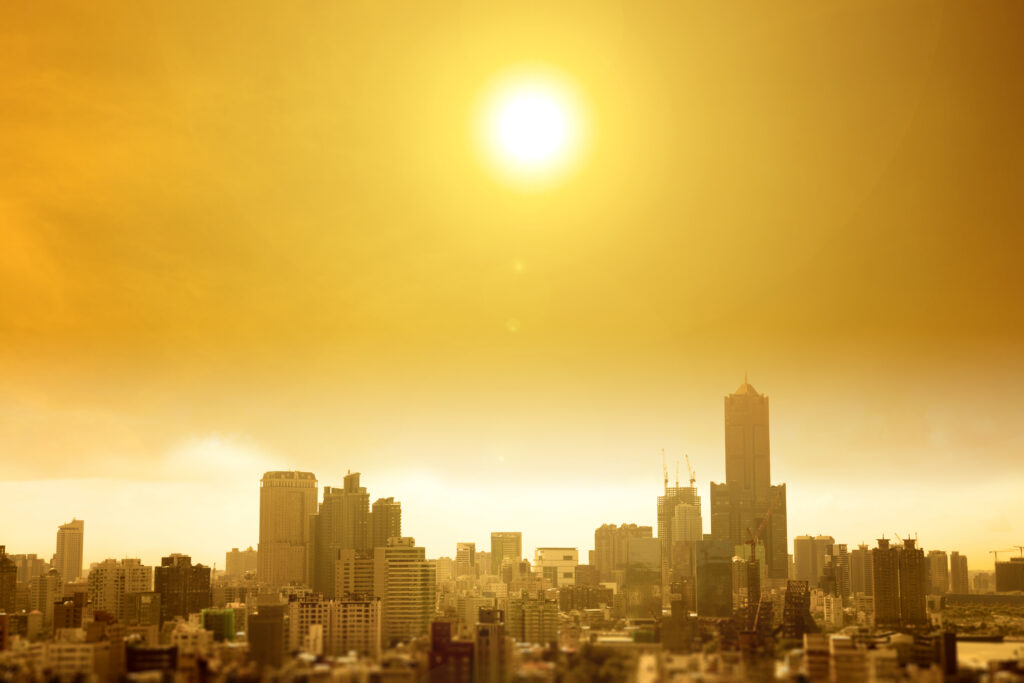
While humans can handle certain levels of heat, sustained high temperatures above 35°C can cause significant health impacts. With heat waves lasting longer and getting hotter, that means many more people across Asia are being exposed to heat than ever before.
This, in particular, can be harmful for outdoor workers, of which there are many across Asia. Many workers lack formal status, leaving them at the whims of extreme heat events with no access to adequate protection or healthcare.
Those working on construction sites, in outdoor markets, as farmers, motorcycle taxi drivers or a whole host of other occupations, will face risks such as dehydration, itchiness, headaches, fever, diarrhoea, nausea, vomiting, muscle cramps, loss of muscle control, temporary vision loss, chest pain, heart palpitations and loss of consciousness due to extreme heat.
“Countries in Asia and the Pacific need to strengthen their climate resilience to the impacts of extreme heat,” said Milliken. She suggested “upgrading risk assessment and forecasting tools, protecting those most at risk with public service investments and worker safeguards, and fostering knowledge sharing and collaboration”.
Asia’s Extreme Heat
The World Meteorological Organization (WMO), in its “State of the Climate in Asia 2024” report, highlighted one worrying but important fact: Asia is warming twice as fast as the global average. It also found that it was not just land that was hot, most of the ocean area of Asia was also affected by marine heatwaves of strong, severe or extreme intensity.
Similarly, a report from the United Nations Economic and Social Commission for Asia and the Pacific (ESCAP) found that rising temperatures are impacting everyone, everywhere in Asia, and that if nothing is done, heat-related economic impacts could reach USD 498 billion by 2100.
“Heat knows no borders; therefore, policy responses must anticipate impacts, reduce exposure and vulnerability at scale and safeguard those most at risk. With urgency, clarity and cooperation, lives and livelihoods across the region can be protected,” said Executive Secretary of ESCAP Armida Salsiah Alisjahbana.
Heat Stress in Southeast Asia
It could, soon, get much worse. A report published in Nature Science found that heat stress across Southeast Asia will reach life-threatening extremes even by the near future, as soon as 2030. Using high-resolution regional climate model projections to assess how extreme heat exposure evolves under different emissions and population scenarios, the study finds who is most at risk and where. The results were grim. Across the region, more people will be exposed to longer weeks of intensifying heat, which underscores the urgent need for adaptation and mitigation measures within the region.
“The findings highlight the urgent need for comprehensive heat action plans and strong mitigation efforts to protect communities, health and labour productivity,” said lead author Sonali Manimaran, technical lead for Climate Displacement at the International Organization for Migration.

How To Deal with Excessive Heat
Currently, countries all across Asia aren’t doing enough to help residents, particularly those from low-income communities or working in informal settings, deal with extreme heat.
There are a few examples of impact. For example, WMO noted a pilot in Nepal that demonstrates how “coordinated anticipatory action” can reduce health risks and casualties. There, strengthened early warning systems and anticipatory action enable communities to prepare for and respond to climate variability and change, thereby helping to protect lives and livelihoods.
Much, much more needs to be done, and there is a critical role for climate finance. The most vulnerable countries in the region, such as Pakistan, Bangladesh, Mongolia, and Myanmar, are also those that were only responsible for a tiny percentage of global greenhouse gas emissions.
Richer countries responsible for more climate pollutants, like the United States, Europe, Japan and China, need to do much more to support efforts to help workers, residents and others deal with extreme heat across Asia. Increased access to climate finance could allow Asian countries to adapt to climate change.
Nithin Coca
Journalist, Japan
Nithin Coca covers climate, environment, and supply chains across Asia. He has been awarded fellowships from the Solutions Journalism Network, the Pulitzer Center, and the International Center for Journalists. His features have appeared in outlets like the Washington Post, Financial Times, Foreign Policy, The Diplomat, Foreign Affairs and more.


Nithin Coca covers climate, environment, and supply chains across Asia. He has been awarded fellowships from the Solutions Journalism Network, the Pulitzer Center, and the International Center for Journalists. His features have appeared in outlets like the Washington Post, Financial Times, Foreign Policy, The Diplomat, Foreign Affairs and more.