The effects of climate change are measurable, accelerating and already reshaping the natural, economic and social systems on which communities and economies depend. Global temperatures continue to rise, extreme weather events are becoming more frequent and intense and climate variability is disrupting the systems humans rely on. For governments, companies and institutions, these climate impacts are no longer separate environmental concerns; they are systemic risks that directly affect livelihoods, productivity and long-term stability.
According to the IPCC’s Sixth Assessment Synthesis Report, human-caused greenhouse gas emissions have already warmed the planet by approximately 1.1°C above pre-industrial levels. Furthermore, current policies and emissions trajectories put the world on track for around 3.2°C of warming by 2100. This level of warming would significantly increase climate risks across all regions. The World Meteorological Organization confirmed that 2024 was the warmest year on record globally, narrowly surpassing 2023, reflecting both long-term warming trends and short-term climate variability.
Together, these signals point to a climate system already operating outside historical norms, with impacts to match.
What Are the Effects of Climate Change?
The effects of climate change refer to the physical, biological and social consequences of rising greenhouse gas concentrations in the atmosphere. These effects extend beyond temperature increases alone. This primary change has a cascade of effects, including shifts in rainfall patterns, rising sea levels, stronger storms, prolonged heat waves and cascading impacts on food systems, health, infrastructure and ecosystems. Importantly, these effects of global warming are interconnected. Stress in one system often amplifies risks in others.
Rising Global Surface Temperatures, Carbon Dioxide Emissions and a Changing Climate
The most noticeable and significant shift is that the world is becoming warmer. Global surface temperatures have risen steadily since the late 19th century, with the rate of warming increasing over the past four decades. NASA’s global temperature dataset shows that the last nine years have all ranked among the warmest on record.
However, this warming is not evenly distributed across the planet. Land areas are heating faster than oceans, and regions at lower latitudes are experiencing higher heat stress as baseline temperatures rise. The IPCC finds that Asia has warmed faster than the global average in recent decades, with particularly strong increases across South, Southeast and East Asia, amplifying risks to dense populations and climate-sensitive livelihoods.

At the same time, oceans are absorbing more than 90% of excess heat from greenhouse gas emissions, altering circulation patterns that shape monsoons, storm tracks and rainfall far beyond their points of origin. This uneven warming is already reshaping natural systems that regulate water, food and weather, increasing climate risks in regions where societies are most exposed to change.
Effects of Global Climate Change on Food Security and Water Systems
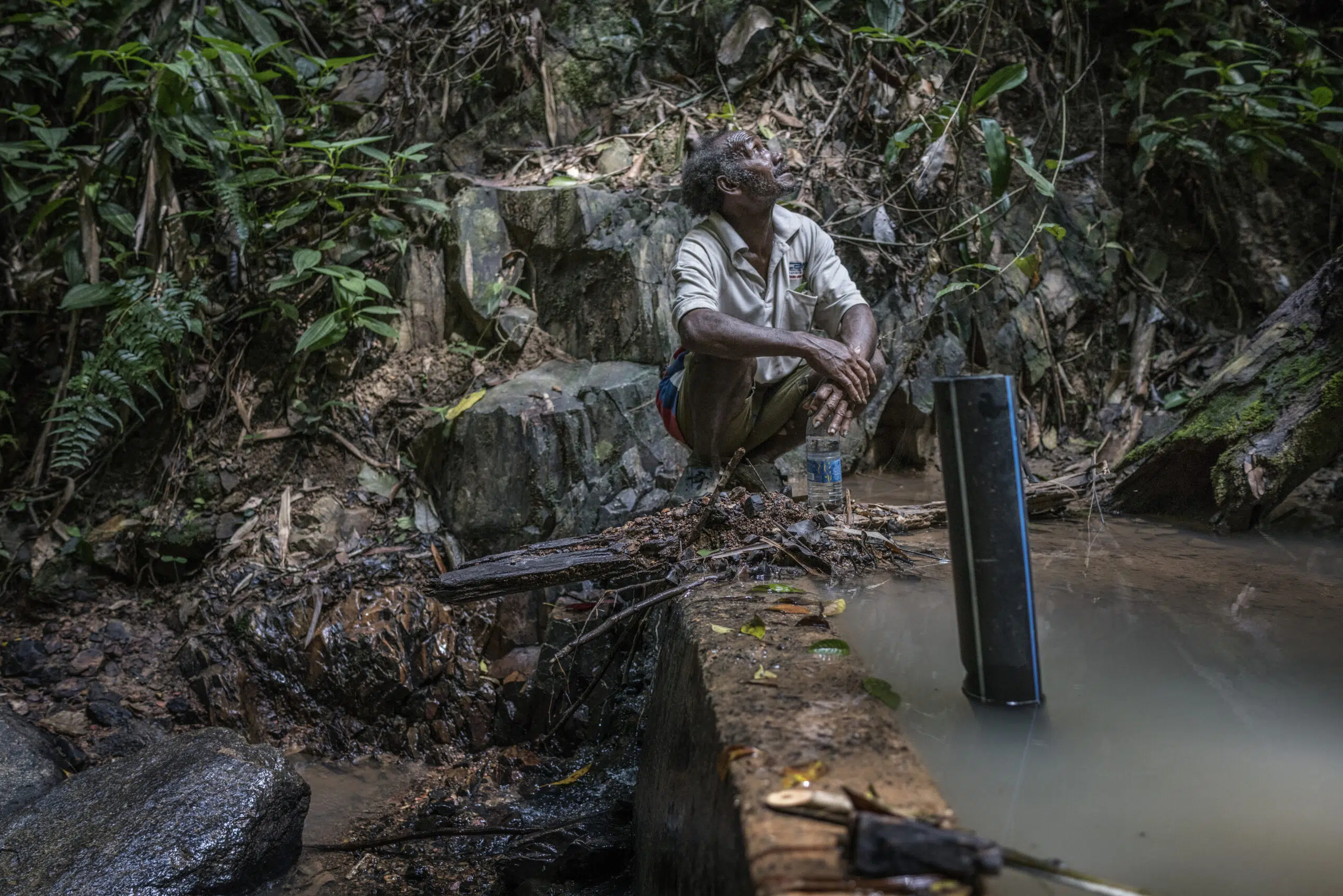
Food and water systems are often the first to show the effects of climate change because they depend directly on stable temperature and rainfall patterns. Rising global temperatures are increasing heat stress on crops, while shifts in precipitation are altering growing seasons and reducing the reliability of surface and groundwater supplies.
Crop Yields, Heat Stress and Water Availability
The Food and Agriculture Organization reports that rising temperatures and increased heat stress are already reducing yields of major staple crops, including rice and wheat, particularly in tropical and subtropical regions. Changes in monsoon timing and intensity further strain irrigation systems and groundwater resources. The IPCC has high confidence that climate change is increasing the frequency of agricultural droughts in South and Southeast Asia, with direct consequences for food prices and the stability of rural incomes.
Infrastructure, Jobs and Economic Disruption
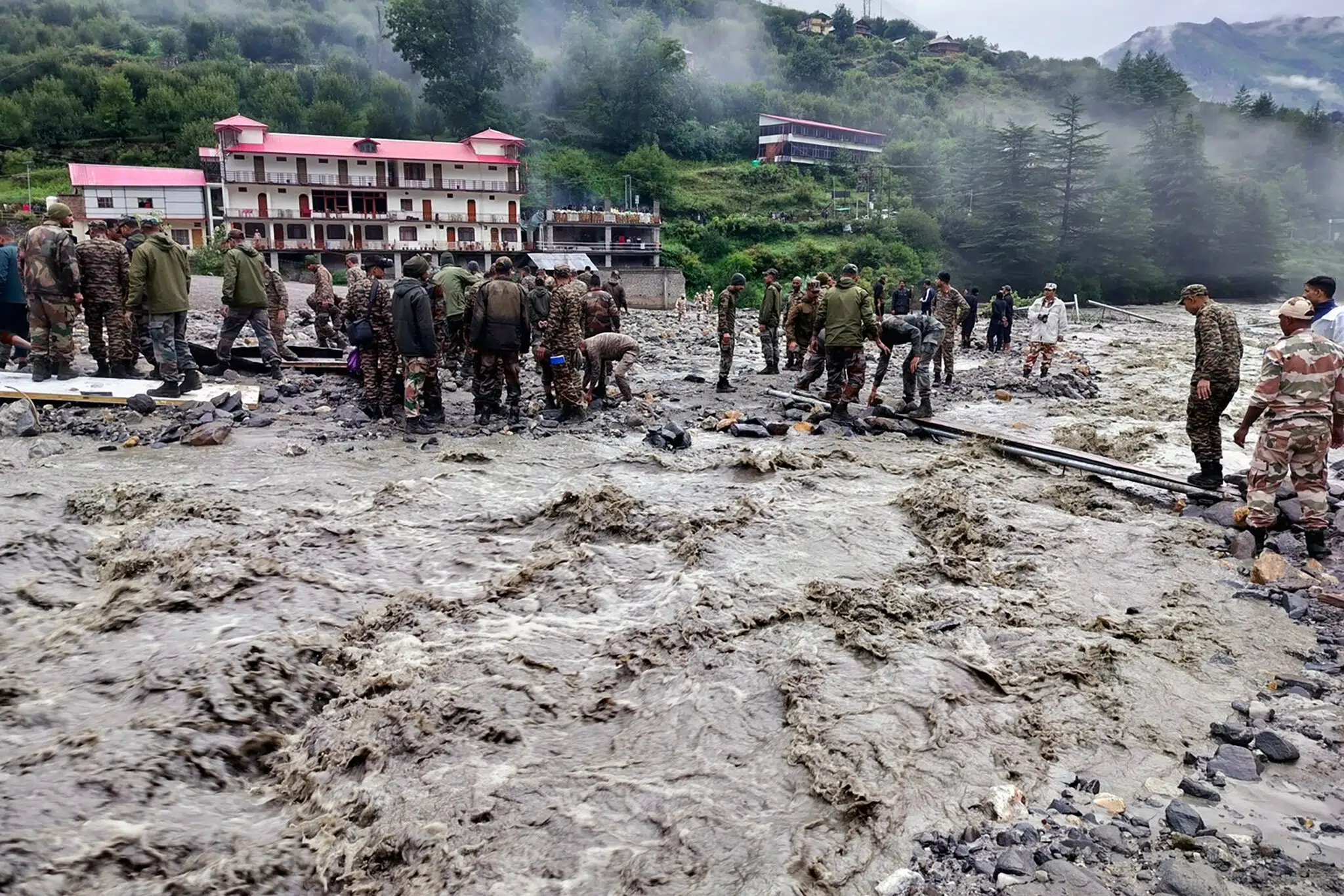
Extreme weather is one of the most visible ways the effects of climate change translate into economic and infrastructure damage. Flooding, cyclones and heatwaves are placing growing pressure on transportation networks, power systems and housing. The World Economic Forum estimates that climate-related disasters already cause hundreds of billions of dollars in direct economic losses globally each year, with infrastructure damage accounting for a large share of those costs.

For example, in September 2024, Typhoon Yagi brought destructive winds, flooding and landslides across northern Vietnam. The storm left 250 people dead, with wind gusts exceeding 150 km/h in Hanoi and 227 km/h in Hainan, China, alongside widespread power outages and damage to homes, roads and bridges. In total, it cost Vietnam USD 1.6 billion, slowing the country’s total economic growth in 2024.
These types of extreme weather events are becoming more common. Research shows tropical depressions near Vietnam are now up to 20% wetter and 5% windier than in previous decades due to climate change. And this isn’t unique to Vietnam. Extreme weather events are becoming more intense across the globe.
Human Health, Extreme Weather and Social Impacts
Climate change is increasingly recognised as a public health challenge, with impacts that fall unevenly across populations and income groups.
The World Health Organization identifies extreme heat as one of the deadliest climate risks, linked to cardiovascular stress, respiratory illness and increased mortality. Heatwaves now occur more often, last longer and reach higher temperatures.
Recent extreme heat in South Asia illustrates how these risks play out. During Bangladesh’s 2024 heatwave, around 57 million people were exposed to extreme heat, with Dhaka experiencing dangerous heat conditions for more than half of the early summer period. These conditions disproportionately affect outdoor workers, low-income households and people living in informal housing with limited access to cooling. Heat also worsens air quality by increasing ground-level ozone, compounding respiratory risks.
Globally, The Lancet estimates that heat exposure was associated with nearly 489,000 deaths per year between 2000 and 2019. This underscores how rising temperatures are already reshaping public health outcomes and widening existing social vulnerabilities.
Ecosystems, Biodiversity and Environmental Stability
Natural ecosystems provide critical services that support economies and livelihoods, including fisheries, forests and coastal protection. However, climate change is accelerating biodiversity loss by altering habitats and increasing ecosystem stress, particularly in coral reefs, mangroves and tropical forests. The UN Environment Programme reports that marine heatwaves and coral bleaching events are becoming more frequent, reducing fish stocks and weakening natural coastal defences. These losses reduce ecosystem resilience and increase long-term economic vulnerability.

Rising Global Temperatures and Carbon Emissions vs. Climate Action: Managing Risk in a Warming World
Taken together, the effects of climate change show how rising temperatures are reshaping natural, economic and social systems at the same time. Disruptions to food and water supplies, infrastructure, health and ecosystems do not occur in isolation; they compound and amplify one another as warming continues.
The evidence is clear that without sustained emissions reductions and targeted adaptation, climate risks will grow more severe, more costly, and harder to manage. Mitigation, resilience planning and data-driven decision-making remain critical to limiting future impacts and protecting the systems on which societies depend in a changing climate.
Eric Koons
Writer, United States
Eric is a passionate environmental advocate that believes renewable energy is a key piece in meeting the world’s growing energy demands. He received an environmental science degree from the University of California and has worked to promote environmentally and socially sustainable practices since. Eric has worked with leading environmental organisations, such as World Resources Institute and Hitachi ABB Power Grids.
Eric is a passionate environmental advocate that believes renewable energy is a key piece in meeting the world’s growing energy demands. He received an environmental science degree from the University of California and has worked to promote environmentally and socially sustainable practices since. Eric has worked with leading environmental organisations, such as World Resources Institute and Hitachi ABB Power Grids.