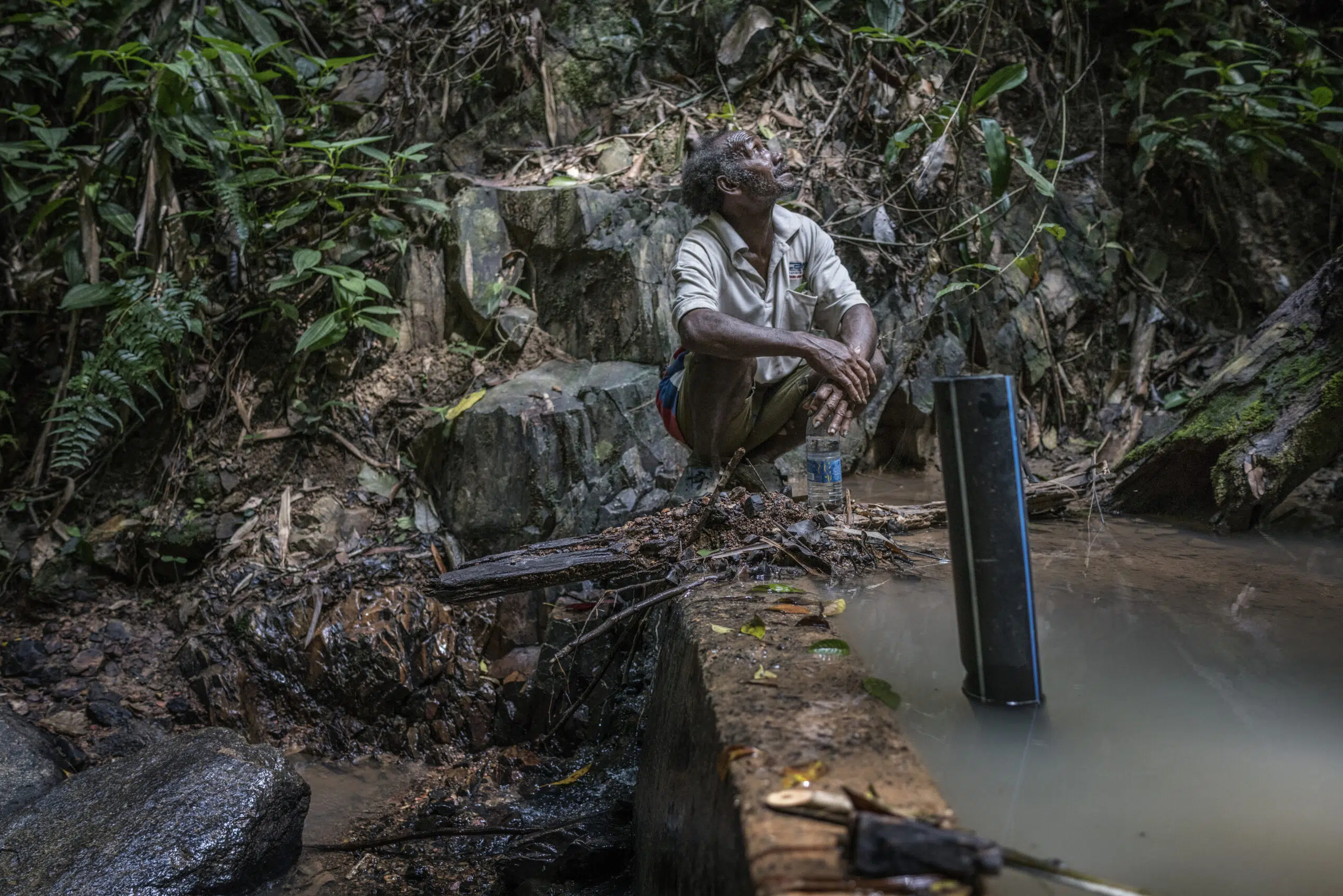
The social and economic impacts of climate change are inseparable. When food systems fail, infrastructure breaks down and human health declines, economies inevitably follow. Climate change is a macroeconomic issue. Without near-term action, climate change could push up to 132 million people into poverty by 2030. Climate shocks are already affecting economic systems around the world.
How Does Climate Change Impact the Economy?
At the broadest level, the economic impacts of climate change appear in reduced output over time. Under high-emissions warming scenarios, global GDP will be 10% lower by 2050 compared to a world without climate change. This projected loss reflects declining labour productivity, lower agricultural performance and capital damage that compounds over decades.
Financial regulators are also modelling these risks. Scenario analysis shows that delaying climate action increases economic volatility and deepens long-term losses. Higher temperatures are associated with lower economic output, especially in regions that already experience extreme heat. Over time, this relationship weakens growth potential and widens disparities between regions.
Infrastructure Damage and Rising Fiscal Pressure
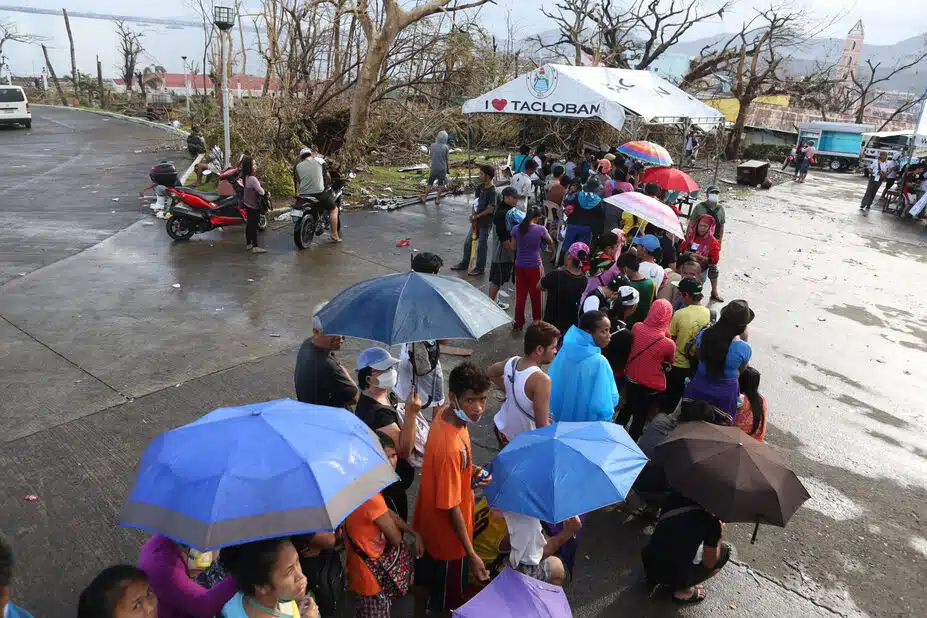
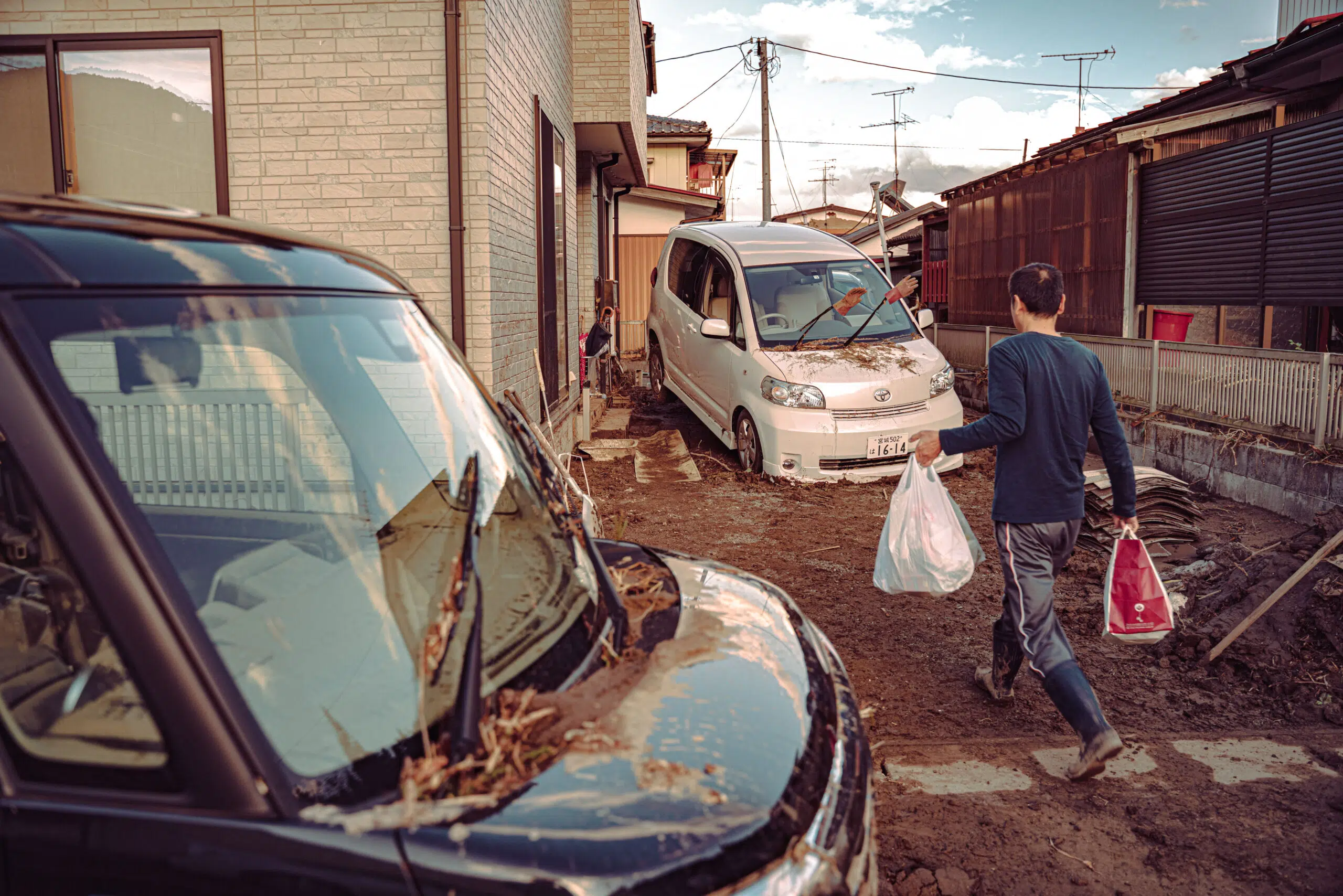
Climate-related disasters now account for a growing share of global disaster events. Extreme weather events damage physical assets that underpin economic activity. Since 1980, global economic losses from natural disasters have been estimated at USD 7.2 trillion, with roughly 67% not insured. These uninsured losses are even more impactful because the affected people and companies had to bear the brunt of the losses themselves.

However, the financial consequences extend well beyond immediate repair costs. In small, highly vulnerable economies, a single major disaster can increase public debt by several percentage points of GDP in the year it occurs. Particularly when reconstruction is financed through borrowing.
When disasters recur before recovery is complete, capital formation slows and long-term investment plans are delayed as public funds are redirected toward rebuilding. Businesses face extended downtime and rising insurance premiums, which increase operating costs and reduce competitiveness. Over time, repeated climate shocks weaken infrastructure quality and dampen productivity growth, embedding fiscal and structural risk within the broader economic system.
What Are Examples of Economic Impacts of Climate Change?
Agriculture Industry, Food Systems and Trade
Agriculture is one of the most direct pathways through which climate change affects the global economy. Rising temperatures and altered rainfall patterns are already reducing yields of key staple crops in many regions. For example, corn production in the Philippines is steadily declining and is projected to decline by 35% by 2050. This causes food scarcity concerns and economic shocks in regions where produce is a primary source of income.
Even modest yield declines in major exporting countries can tighten global supply and drive price volatility. This leads to food price instability, which has emerged as a recurring climate-linked risk. When harvests fall, import-dependent countries face higher food bills and widening trade deficits. As a result, households see less disposable income, as a larger share of spending goes to basic staples. In places where food already accounts for a significant portion of household budgets, these price shifts can quickly translate into higher poverty risk and weaker consumer demand.
Labour Productivity, Economic Growth and Health-related Economic Losses
Heat stress creates an immediate economic cost by reducing the amount of safe work time in a day. By 2030, rising temperatures could lower total global working hours by 2.2%, equivalent to roughly 80 million full-time jobs and an estimated USD 2.4 trillion in lost income annually.

That headline number becomes easier to picture when you look at how quickly extreme heat days are accumulating. Climate change added a global average of 30 extra days of extreme heat for about 4 billion people in 2024. “Extreme heat” is defined as temperatures hotter than 90% of historical observations for a given place. More extreme heat days mean more workdays with reduced output, more shift changes and more heat-related slowdowns, especially in outdoor and heat-exposed jobs.
Health impacts of global warming compound the losses rather than staying separate from them. Heat-related mortality among older populations has increased substantially compared with previous decades, and extreme heat exposure is linked to measurable declines in productivity and health system pressure. By 2050, global healthcare systems are expected to face USD 1.1 trillion in additional healthcare costs due to climate change.
Uneven Economic Consequences and Systemic Risk
The economic impacts of climate change are not evenly distributed. Lower-income, climate-exposed countries, particularly those dependent on agriculture, face larger proportional GDP losses under warming scenarios. In several climate-vulnerable economies, projected income losses amount to multiple percentage points of GDP by mid-century. For example, climate change could reduce Bangladesh’s GDP by up to 9% by 2050, including the elimination of one-third of its agricultural sector.
The risk becomes more acute when extreme events strike repeatedly. When a major flood, cyclone or drought hits a highly exposed economy, the damage can be large enough to derail near-term growth and pull public spending away from longer-term priorities. Recovery is often slower, and affordable financing is limited, which increases the likelihood that a short-term shock becomes a longer-term setback.
Access to adaptation and loss and damage funding is critical for these countries. It plays an important role in limiting the long-term effects of climate change on their economies and infrastructure.
Advanced Economies and Global Interdependence
Developed countries also face rising risks, but much of the damage shows up as spreading disruption. For example, during the 2023 drought in the Panama Canal watershed, daily transits were capped, and capacity fell enough that canal passages were about 30% lower than usual. This forced the rerouting of trade and transit times. That kind of chokepoint shock matters because it increases shipping costs and delays inputs for manufacturers far beyond the region that is overheating or drying out.

From Economic Damage to Economic Strategy
The scale of projected losses is pushing climate risk from the margins of environmental policy into the core of economic strategy. Investing in adaptation is not only a protective measure. It has measurable returns. Global adaptation investments of USD 1.8 trillion between 2020 and 2030 could generate USD 7.1 trillion in net benefits through avoided damages and stronger resilience. At the same time, the cost of delay keeps rising. High-warming pathways produce much larger cumulative output losses by mid-century than faster transition pathways.
Markets are adjusting in parallel because climate risk now shows up in mainstream financial decision-making. Over 35 countries have mandatory climate reporting requirements, which increases the amount of comparable climate information available to investors and regulators. Ultimately, managing climate risk is about protecting growth, stability and development outcomes, not just emissions targets.
Eric Koons
Writer, United States
Eric is a passionate environmental advocate that believes renewable energy is a key piece in meeting the world’s growing energy demands. He received an environmental science degree from the University of California and has worked to promote environmentally and socially sustainable practices since. Eric has worked with leading environmental organisations, such as World Resources Institute and Hitachi ABB Power Grids.
Eric is a passionate environmental advocate that believes renewable energy is a key piece in meeting the world’s growing energy demands. He received an environmental science degree from the University of California and has worked to promote environmentally and socially sustainable practices since. Eric has worked with leading environmental organisations, such as World Resources Institute and Hitachi ABB Power Grids.